Hypnosis Works
If you are asking, does hypnosis really work?, you are probably not looking for a stage-show answer. You want to know whether it can help with something real—smoking, anxiety, weight struggles, phobias, stress, or a habit that keeps coming back no matter how motivated you are. That is the right question, and the honest answer is yes: hypnosis can work very well in the right clinical setting, for the right problem, and with the right client.
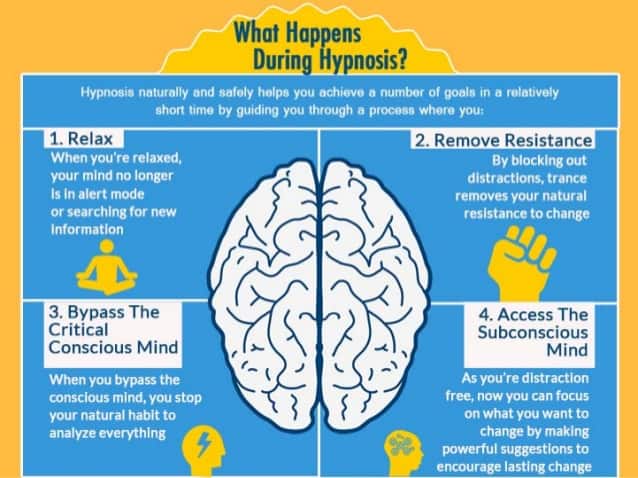
What often gets in the way is confusion about what hypnosis actually is. Clinical hypnosis is not mind control, unconsciousness, or entertainment. It is a guided therapeutic process that uses focused attention, deep relaxation, and carefully structured suggestion to help people respond differently at a subconscious level. In practice, that matters because many stubborn problems are not caused by lack of willpower. They are driven by automatic patterns.
Does Hypnosis Really Work in a Clinical Setting?
In a clinical setting, hypnosis works by helping reduce the noise of everyday mental chatter so the mind becomes more receptive to useful therapeutic suggestions. That can make it easier to interrupt habits, lower stress responses, change emotional associations, and strengthen healthier behaviors.
This is one reason hypnosis can feel different from purely analytical approaches. Many people already understand their problem logically. A smoker may fully understand the health risks. Someone with a phobia may know their fear is excessive. A person struggling with stress eating may recognize the pattern in detail. Yet insight alone does not always create change. Hypnosis is often helpful because it targets the learned responses beneath the surface.
That does not mean hypnosis is magic. It is a therapeutic tool, not a shortcut that bypasses all effort. The strongest results usually happen when hypnosis is tailored to a specific issue, delivered by a trained professional, and combined with a client who is willing to participate actively in the process.
How does hypnosis really work and what hypnosis helps most
Hypnosis is not equally effective for every condition, but it has a strong practical role in a number of areas commonly seen in clinical practice.
For habit change, hypnosis is often used for smoking cessation, nail biting, overeating, and other repetitive behaviors that seem to run on autopilot. These are areas where subconscious associations play a major role, so hypnotic work can be especially useful.
For anxiety-related concerns, hypnosis can help reduce internal tension, calm anticipatory fear, and shift the body out of chronic stress mode. That can be valuable for generalized anxiety, performance anxiety, specific fears, stuttering linked to tension, and sexual performance issues tied to fear or pressure.
For phobias, hypnosis may help desensitize emotional reactions and create a new internal response to a trigger. For pain management, it can support relaxation, reduce distress, and change the way pain is processed and experienced. For weight management, it may help with cravings, motivation, emotional eating, and self-sabotaging patterns.
In each of these cases, the question is not whether hypnosis can do everything. The better question is whether it can help move the mental and emotional patterns that keep the problem in place. Very often, it can.
Why Some People Get Better Results Than Others
One reason people ask whether hypnosis really works is that results vary. That is true, and it is worth addressing directly.
Some people enter hypnosis easily and notice a strong shift quickly. Others respond more gradually. Suggestibility, motivation, expectations, the nature of the problem, and the skill of the practitioner all matter. So does the client’s readiness for change.
For example, someone who truly wants to stop smoking and is tired of the habit often responds better than someone attending only because a spouse pushed them into it. A person with anxiety who is open to learning a different internal response may do better than someone focused on proving the process will fail.
This does not mean you need to be gullible or highly hypnotizable for hypnosis to help. Most people can experience a therapeutic hypnotic state. The bigger factor is usually cooperation, not weakness. Hypnosis works best when the client is engaged, honest, and willing to practice new patterns rather than cling to the old ones.
What a Real Session Feels Like
A lot of skepticism fades once people understand what actually happens in treatment. Most clients remain aware during hypnosis. They can hear the therapist, think, remember the session, and respond if needed. Many describe it as feeling deeply relaxed but mentally focused.
That matters because one of the biggest myths about hypnosis is that you lose control. In clinical hypnotherapy, the goal is not to take control away from you. It is to help you use your own mind more effectively.
A session typically begins with discussion of the issue, your goals, and the pattern that needs to change. From there, the therapist guides you into a focused state and uses therapeutic suggestions, imagery, and other techniques that fit the problem being treated. The work is structured. It is not random, and it should not feel theatrical.
When done well, hypnosis feels purposeful. A client dealing with panic may notice a new sense of calm around previously triggering situations. A client working on food issues may feel less compelled by cravings. A person addressing a fear may find that the old internal alarm is no longer as intense.
The Limits of Hypnosis
A professional answer has to include limits. Hypnosis is effective, but it is not a cure-all.
It is not a replacement for medical care when a symptom has a medical cause that needs diagnosis or treatment. It is not the same as psychotherapy in every case, although it can complement it. And it is not guaranteed to resolve every problem in one session, especially if the issue is complex, longstanding, or tied to multiple factors.
Mental health conditions also vary in severity. Some concerns are very appropriate for hypnotherapy, while others may require a broader treatment plan. Ethical clinical hypnosis should always respect those boundaries.
This is also why provider selection matters. A well-trained clinical hypnotherapist approaches hypnosis as a therapeutic intervention with goals, assessment, and professional standards. That is very different from generalized motivational coaching or stage-style hypnosis.
Does Hypnosis Really Work Better Than Willpower Alone?
For many people, yes. Willpower has limits, especially when a behavior is reinforced by stress relief, emotional comfort, fear reduction, or long-standing repetition. You may consciously want one thing while another part of your mind keeps driving you back to the familiar pattern.
Hypnosis can help align those competing levels of motivation. Instead of forcing change through constant internal struggle, it aims to reduce the conflict itself. That is often why clients report that a change feels easier after successful hypnotic work. They are not just resisting the old pattern harder. They are responding to it differently.
That said, hypnosis is not passive. You still need intention, follow-through, and a real desire to change. But for people who are tired of fighting themselves, it can be a far more effective route than relying on willpower alone.
When to Consider Clinical Hypnotherapy
If a pattern feels irrational, automatic, or stronger than your conscious intentions, hypnosis is worth considering. That includes habits you cannot seem to break, fears you know do not make sense, anxiety that keeps hijacking your body, or performance issues that appear when pressure rises.
It is especially useful for people who want a focused, private, non-drug approach that addresses root-level responses instead of only managing symptoms on the surface. In a practice such as PhilaHypnosis, the process is individualized, clinically oriented, and designed around practical change rather than vague self-help language.
The best mindset is open but realistic. You do not need blind belief. You need a willingness to participate in a structured therapeutic process and allow your mind to learn a different response.
That is where the real value of hypnosis lies. It’s not about spectacle or surrendering control; it’s about helping you regain control over patterns that no longer belong in your life.
Hypnotherapist near me
Now, after you have received an answer to your question, “Does hypnosis really work?” you need to find the most professional hypnotist you can allow to work with your subconscious mind. When you are looking for a hypnotherapist near me to treat medical conditions (depression, anxiety, insomnia, fears, etc.), you must find not only a skilled hypnotist but also the best hypnotist in your area. Don’t forget that a good hypnotherapist is a medical doctor who understands the mechanisms of medical conditions and knows how to apply hypnotic treatment. At the Philadelphia Hypnotherapy Clinic, internationally recognized hypnotherapist Medical Doctor Victor Tsan treats patients with various medical conditions. As a physician, he also combines clinical hypnosis therapy with homeopathic medicines and acupuncture, thus significantly increasing the treatment success rate. Contact our clinic at 267-403-3085 or use our online scheduling system.